Mountain trekking trips · Multi-day tour
Climbing Trip Sardegna
Climbing by the Sea Between Dream Beaches and Spectacular Rock Formations
Overview
Tour overview
Experience a unique climbing trip to Sardinia and discover one of the most diverse destinations for climbing in the Mediterranean. Around Cala Gonone in the Gulf of Orosei, you’ll find excellent rock quality, varied crags, and a stunning coastal landscape that makes this region one of the most attractive climbing destinations in Europe.
The climbing areas in the Gulf of Orosei offer perfect conditions for varied climbing days. In addition to well-bolted sport climbing routes, spectacular multi-pitch climbs are a major highlight, often set in breathtaking positions above turquoise waters. Many of the most beautiful spots – such as the bays around Cala Luna or Cala Goloritzé – can be reached on foot, by car, or even by boat, making each climbing day a truly special experience. The choice of routes is flexible and will be adapted to the group’s level and preferences.
A highlight of this climbing trip to Sardinia is the combination of climbing and Mediterranean lifestyle. After a day on the rock, you can relax on beautiful beaches and enjoy the evenings with traditional Sardinian cuisine. The island’s hospitality and laid-back atmosphere create a unique and unforgettable experience.
This trip is ideal for anyone who wants to experience climbing in Sardinia in all its diversity – from enjoyable cragging to impressive multi-pitch routes. The perfect combination of rock, sea, nature, and relaxation makes this climbing week an unforgettable adventure.
Requirements
What to expect
Services
What's included - and what isn't
A clear overview for your planning.
Included
- Guidance and organisation by a certified mountain guide
- Overnight stay(s) in the accommodation stated in the programme
- Local transfers as per programme
- Loan of missing technical equipment
Not included
- Travel costs to and from the tour
- Dinner
- Single room supplement
- Outbound and return flights
- Additional costs due to programme changes beyond the organiser's control
- Personal expenses
Equipment
What to bring
Missing equipment can be provided by us if needed.
Download PDFPackliste KlettertourFAQ
Frequently asked questions
General
Which guided tour is right for my experience level?
The right tour depends on your experience, fitness level and personal goals. Many people are unsure which activity is suitable for them. Beginners often start with hikes, snowshoe tours or easy via ferratas, while more experienced mountaineers tend to choose high-altitude tours or more challenging alpine routes. To help you find the right tour, each tour includes a rating in three categories: fitness, technical skills and alpine experience (each rated from 1 to 5). This allows you to quickly assess the difficulty of a tour and decide whether it matches your abilities. If you are unsure, we are happy to offer personal advice to help you choose the right tour. Get in touch with us and together we will find a tour that suits your experience level and goals.
Why should I choose a guided tour with a mountain guide?
A guided tour with a certified mountain guide offers greater safety, a more rewarding experience and reliable planning. In alpine terrain, weather, navigation and risk assessment play a crucial role. As mountain guides, we know the current conditions, choose suitable routes and adapt the tour to the situation and your ability level. Especially on high-altitude tours, ski tours and alpine climbing routes, you benefit from being able to explore challenging terrain safely without having to make every decision yourself. Along the way, you can also learn valuable skills – from moving efficiently in steep terrain to handling alpine equipment correctly. A guided tour is therefore not only safer but often a more rewarding and relaxed experience – whether you want to gain your first alpine experience or reach a challenging objective.
How is a guided tour planned?
Planning starts either with a specific tour in mind or with us helping you choose the right one. Once you have selected a tour, you can send us an enquiry by email or via the contact form. We will then check availability and agree on a suitable date together. You will already find much of the essential information – such as the itinerary, requirements and equipment – in the individual tour descriptions. We will also provide you with all the relevant details about preparation and the meeting point. Shortly before the tour, we check the weather forecast and current conditions and adjust the plan if necessary. This way, you know exactly what to expect and can focus entirely on your mountain experience.
How does booking and payment work?
To book a guided tour, simply send us an enquiry by email or via the contact form. After receiving your enquiry, we check availability and agree on a suitable date together. You will then receive all the relevant information about the tour. Your booking becomes binding once the deposit has been received. You will then receive a booking confirmation. The deposit will later be deducted from the total price of the tour. Payment is made by bank transfer. All payment details can be found in our Terms and Conditions. Please note that participation requires certain levels of fitness, technical ability and appropriate equipment, as specified in the individual tour description.
What happens if the weather is bad?
In the event of bad weather or unfavourable conditions, safety always comes first. The mountain guide decides whether a tour can go ahead, needs to be modified or must be cancelled, based on a careful assessment of the current weather and terrain conditions. If a day tour is cancelled in advance, you will be informed in good time and we will arrange an alternative date or another suitable solution together. For multi-day tours and week-long trips, the programme is adapted flexibly to the prevailing conditions. If individual stages cannot be completed as planned, safe and appropriate alternatives will be chosen so that the overall tour can still go ahead. Details regarding financial arrangements in the event of a tour being interrupted can be found in our Terms and Conditions.
How far in advance should I book a guided mountain tour?
The earlier you get in touch, the easier it is to plan your preferred tour and date. Many tours depend on the season, weather and current conditions, and availability is often limited. We therefore recommend booking well in advance, especially for fixed dates, weekends and longer tours. Last-minute enquiries are also possible, subject to availability. Particularly during the week or outside the main season, spontaneous tours can often be arranged. Early planning is especially important for mountain and ski touring trips, as these take place in small groups and require extensive preparation. If you are enquiring as a group, we recommend getting in touch as early as possible. However, remaining places on already scheduled trips may also become available at short notice and can sometimes be booked spontaneously.
What is the difference between a high-altitude tour, a climbing tour and a via ferrata?
A high-altitude tour usually takes place on glaciers or in high alpine terrain and combines walking with rope work and safety techniques. A climbing tour is more technically demanding and requires confident rock-climbing skills, usually with rope protection. A via ferrata is a protected climbing route equipped with fixed steel cables and metal rungs to make the ascent easier.
Mountain Trips
Do I have to book the accommodation myself?
For many mountain trips, accommodation is arranged as part of the trip organisation. Depending on the trip, however, accommodation may also need to be booked individually. You will find the relevant information in the respective trip description.
Will I travel alone or as part of a group?
Mountain trips are generally organised and carried out in groups. Group size depends on the type and requirements of each trip and may vary depending on the programme – for example, climbing trips, ski touring trips or trekking tours. The exact group size and organisational details can be found in the respective trip description.
What happens if the weather is bad?
Safety always comes first on our mountain trips. Depending on the weather, conditions and circumstances, routes, daily objectives or programme activities may be adjusted. The aim is always to make the most of the trip while ensuring everyone's safety.
Do I have to book my own flights?
For most mountain trips, participants arrange and book their own flights. Information about travel arrangements, meeting points and included services can be found in the respective trip description. Flight bookings can also be arranged for you on request. This allows you to remain flexible when choosing your departure airport and planning your journey.
Can I organise my own travel arrangements?
Yes, individual travel arrangements are possible for many mountain trips. It is important to arrive at the designated meeting points on time and adhere to the agreed schedule to ensure the trip runs smoothly for everyone. Further details can be found in the respective trip description.
What type of accommodation can I expect on a mountain trip?
Accommodation depends on the destination and nature of the trip. Depending on the mountain trip, accommodation may include hotels, guesthouses, mountain huts or other local establishments. Details about the type of accommodation and included services can be found in the respective trip description.
Can I book a single room?
Whether a single room is available depends on the accommodation and the individual trip. For many mountain trips, a single room or single occupancy can be booked at an additional cost, subject to availability. You can find the relevant options in the trip description or contact us for further information.
Will I share a room with other participants?
Depending on the accommodation, rooms may be single, double or shared rooms. On group trips, you may share a room with other participants. If available, single rooms can often be booked for an additional charge. Further information about accommodation can be found in the respective trip description.
How is ski luggage transported on ski touring trips?
On ski touring trips, participants generally bring their own ski equipment, which is transported together with the rest of the group's luggage. Different airlines may have specific regulations for skis, avalanche safety equipment and special baggage. We therefore recommend checking the relevant airline's baggage policy well in advance. Information about recommended equipment and luggage requirements can be found in the respective trip description. We are also happy to assist with travel and flight arrangements on request.
Climbing
What is the difference between sport climbing and alpine climbing?
Sport climbing usually takes place on well-protected climbing routes at crags or indoor climbing walls, where the protection points are permanently fixed into the rock. Alpine climbing, on the other hand, involves longer and often more remote routes in the mountains. In addition to climbing skills, the approach, route finding, weather conditions and a greater degree of personal responsibility all play an important role.
What experience and skills do I need for alpine climbing?
The requirements for alpine climbing depend largely on the individual route and its grade. Straightforward multi-pitch routes can also be suitable for motivated beginners with some initial climbing experience, while more demanding alpine routes require experience on rock, as well as the ability to belay independently and move confidently in alpine terrain. Being comfortable with exposure, having sure-footedness and good basic fitness are also important. You can find the specific requirements for each tour in the respective tour description, helping you assess which route is right for you.
How fit do I need to be for alpine climbing?
Alpine climbing requires good basic fitness for long days in the mountains. Besides the actual climbing time, the approach, descent and overall duration of the tour also play an important role. The physical demands can vary considerably depending on the route. Pacing yourself and managing your energy efficiently are essential for completing the tour safely and staying focused throughout.
What equipment do I need for alpine climbing?
Your personal equipment should include a climbing harness, helmet, climbing shoes, approach shoes and weatherproof clothing. If you already own suitable gear, you can also bring your own protection equipment, such as carabiners, a belay device, slings and chalk. The rope and shared safety equipment are provided by the mountain guide. You will find a detailed packing list in the respective tour description. Some equipment can also be rented if needed.
What is multi-pitch climbing?
Multi-pitch climbing involves climbing a route in several rope lengths rather than completing it in a single pitch. The belaying process alternates between climbing and setting up belay stations. This type of climbing makes longer routes in alpine terrain possible and requires a good understanding of belaying techniques.
Do I need lead climbing experience?
For guided alpine climbing tours, lead climbing experience is an advantage but not essential. The mountain guide takes care of the belaying and leads the tour, allowing you to focus on the climbing itself. However, basic climbing skills are still important to move confidently on rock. Requirements vary considerably depending on the route. You can find the specific requirements in the respective tour descriptions.
Are there alpine climbing tours for beginners?
Yes, there are alpine climbing tours that are also suitable for beginners. These routes are technically easier and offer an opportunity to gain first-hand experience on alpine rock under professional guidance.
Similar
More tours
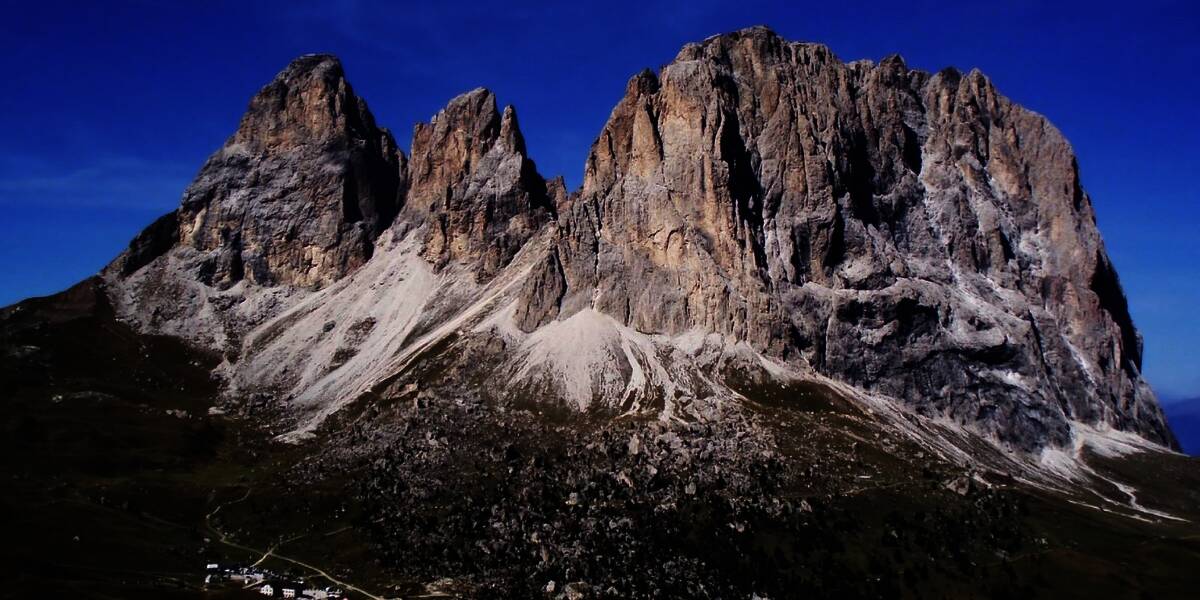
Sassolungo - Trilogy
Three-day guided climbing tours around the Sassolungo
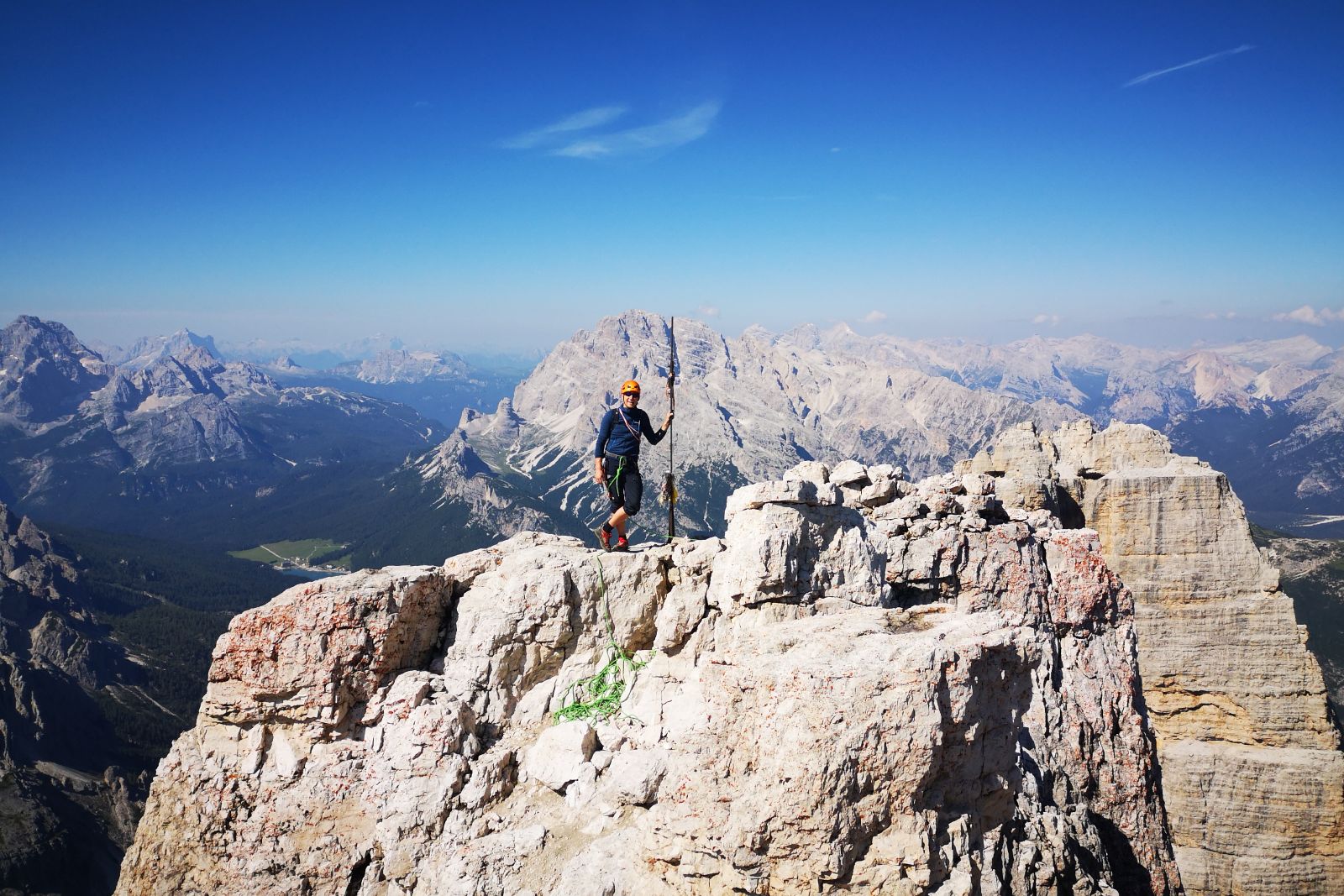
Alpine Rock Climbing Week in the Dolomites
Experience the most beautiful classic multi-pitch climbs in one week
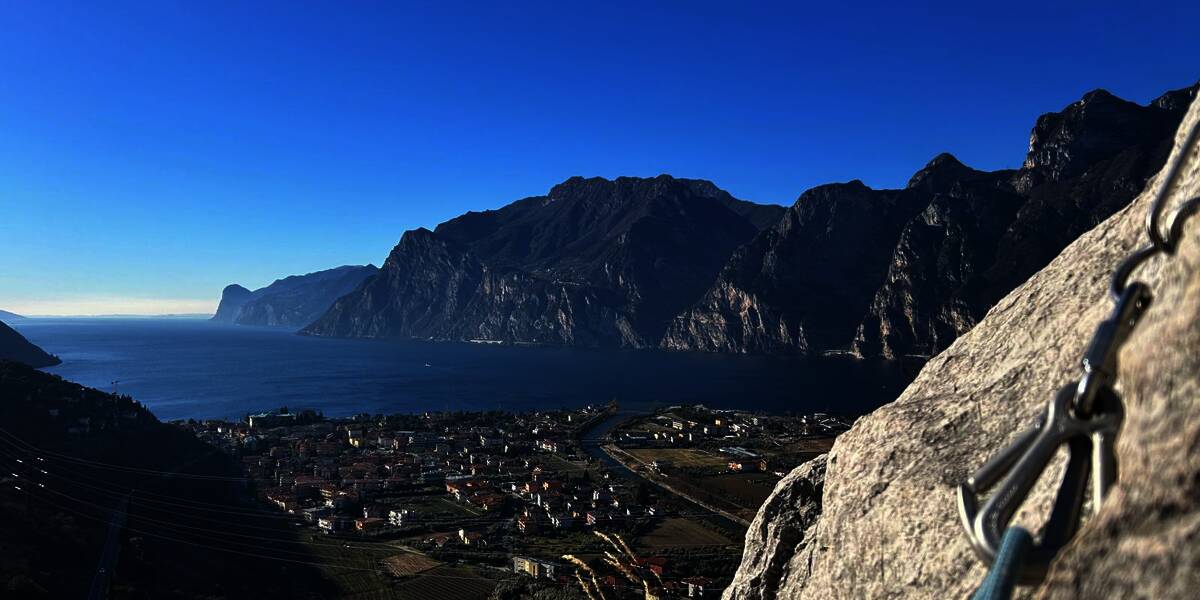
Climbing at Lake Garda
Guided Climbing Tours Around Arco and the Sarca Valley
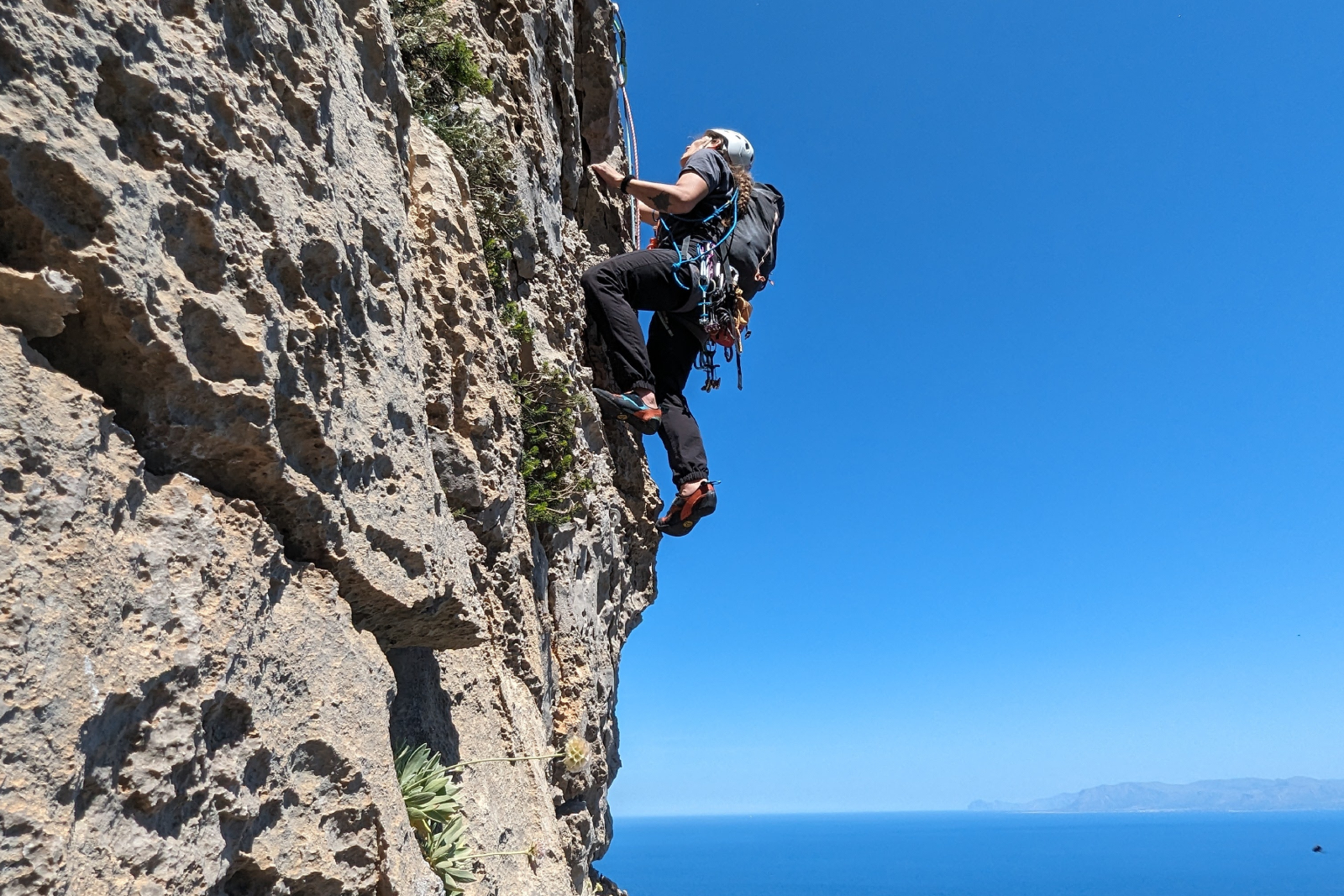
Climbing Trip to Sicily
San Vito lo Capo — Climbing by the Sea in Sunny Southern Italy
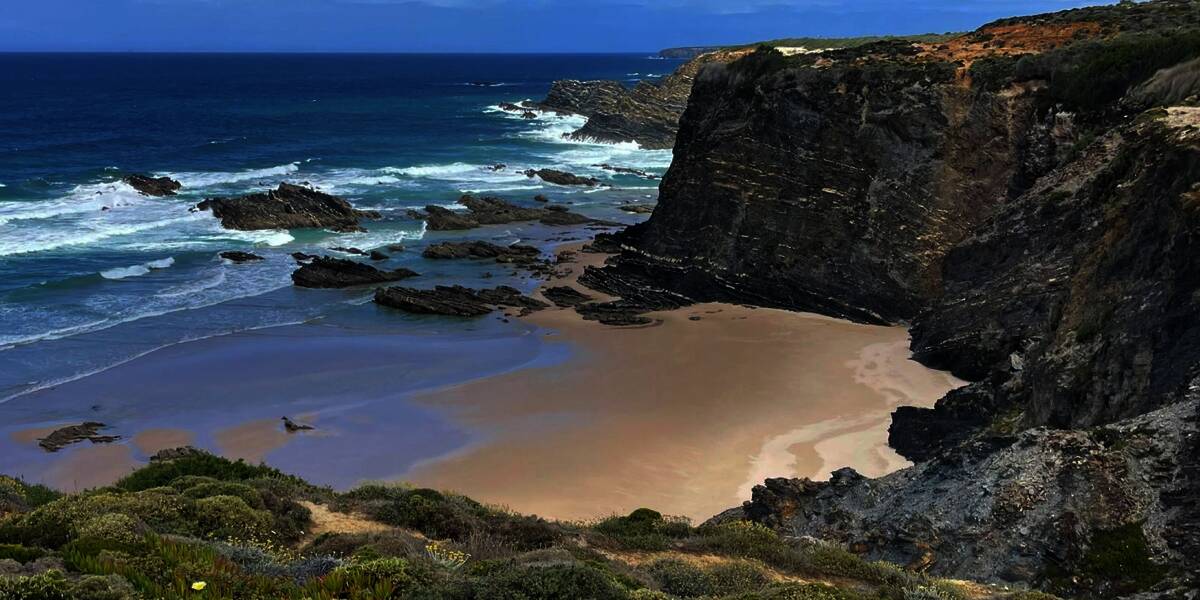
Climbing Trip Portugal
Climbing on Portugal’s Atlantic Coast
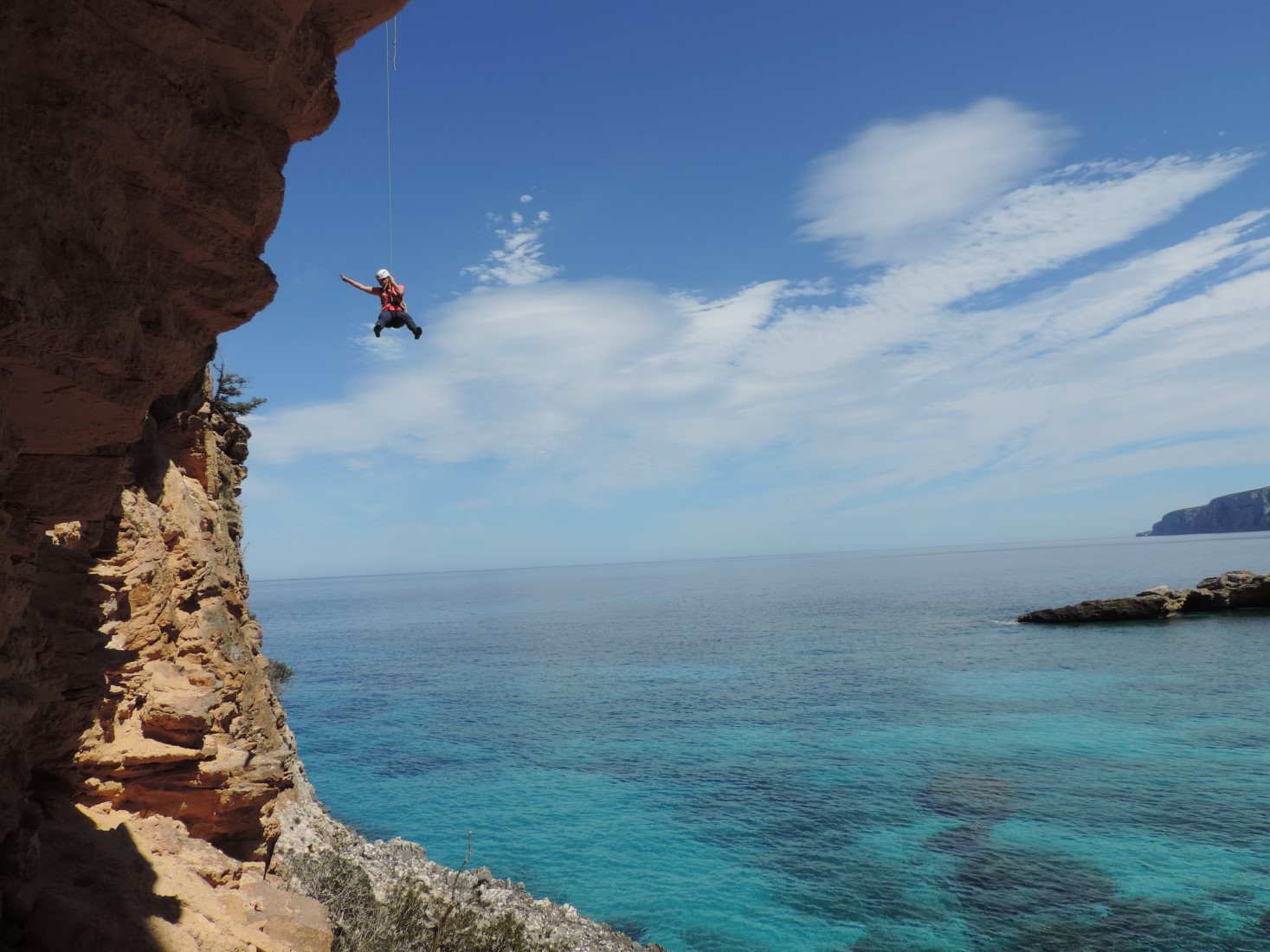
Selvaggio Blu Plus
Trekking and Climbing Adventure on the east coast of Sardinia