Winter · Multi-day tour
Snowshoe Week in the Sarentino Valley
Active winter holiday in the Sarntal Alps
Overview
Tour overview
Experience an active snowshoe hiking week in the Sarntal Valley in South Tyrol and discover the snow-covered mountains far away from the busy ski resorts. The guided tours lead through quiet forests, across wide alpine pastures and to scenic viewpoints.
Accompanied by an experienced certified mountain guide from South Tyrol you explore new routes every day and enjoy impressive views of the Sarntal Alps and the Dolomites. Nature experience, exercise in the fresh winter air and varied landscapes are at the heart of this week.
After the tours, the Hotel Feldrand in the Sarntal Valley offers comfortable accommodation and a wellness area for relaxation. The Sarntal Valley is also known for its living traditions and craftsmanship, such as quill embroidery, wood carving, the traditional “Sarnar Toppar” slippers and loden wool production.
Requirements
What to expect
Services
What's included - and what isn't
A clear overview for your planning.
Included
- Guidance and organisation by a certified mountain guide
- Overnight stay(s) with half board in hotel as per programme details
- Local transfers as per programme
Not included
- Travel costs to and from the tour
- Food and drinks outside included meals
- Single room supplement
- Rental fees for snowshoes and poles
- Loan of safety equipment on requestAvalanche transceiver, probe and shovel (15€ per day)
Equipment
What to bring
Missing equipment can be provided by us if needed.
FAQ
Frequently asked questions
General
Which guided tour is right for my experience level?
The right tour depends on your experience, fitness level and personal goals. Many people are unsure which activity is suitable for them. Beginners often start with hikes, snowshoe tours or easy via ferratas, while more experienced mountaineers tend to choose high-altitude tours or more challenging alpine routes. To help you find the right tour, each tour includes a rating in three categories: fitness, technical skills and alpine experience (each rated from 1 to 5). This allows you to quickly assess the difficulty of a tour and decide whether it matches your abilities. If you are unsure, we are happy to offer personal advice to help you choose the right tour. Get in touch with us and together we will find a tour that suits your experience level and goals.
Why should I choose a guided tour with a mountain guide?
A guided tour with a certified mountain guide offers greater safety, a more rewarding experience and reliable planning. In alpine terrain, weather, navigation and risk assessment play a crucial role. As mountain guides, we know the current conditions, choose suitable routes and adapt the tour to the situation and your ability level. Especially on high-altitude tours, ski tours and alpine climbing routes, you benefit from being able to explore challenging terrain safely without having to make every decision yourself. Along the way, you can also learn valuable skills – from moving efficiently in steep terrain to handling alpine equipment correctly. A guided tour is therefore not only safer but often a more rewarding and relaxed experience – whether you want to gain your first alpine experience or reach a challenging objective.
How is a guided tour planned?
Planning starts either with a specific tour in mind or with us helping you choose the right one. Once you have selected a tour, you can send us an enquiry by email or via the contact form. We will then check availability and agree on a suitable date together. You will already find much of the essential information – such as the itinerary, requirements and equipment – in the individual tour descriptions. We will also provide you with all the relevant details about preparation and the meeting point. Shortly before the tour, we check the weather forecast and current conditions and adjust the plan if necessary. This way, you know exactly what to expect and can focus entirely on your mountain experience.
How does booking and payment work?
To book a guided tour, simply send us an enquiry by email or via the contact form. After receiving your enquiry, we check availability and agree on a suitable date together. You will then receive all the relevant information about the tour. Your booking becomes binding once the deposit has been received. You will then receive a booking confirmation. The deposit will later be deducted from the total price of the tour. Payment is made by bank transfer. All payment details can be found in our Terms and Conditions. Please note that participation requires certain levels of fitness, technical ability and appropriate equipment, as specified in the individual tour description.
What happens if the weather is bad?
In the event of bad weather or unfavourable conditions, safety always comes first. The mountain guide decides whether a tour can go ahead, needs to be modified or must be cancelled, based on a careful assessment of the current weather and terrain conditions. If a day tour is cancelled in advance, you will be informed in good time and we will arrange an alternative date or another suitable solution together. For multi-day tours and week-long trips, the programme is adapted flexibly to the prevailing conditions. If individual stages cannot be completed as planned, safe and appropriate alternatives will be chosen so that the overall tour can still go ahead. Details regarding financial arrangements in the event of a tour being interrupted can be found in our Terms and Conditions.
How far in advance should I book a guided mountain tour?
The earlier you get in touch, the easier it is to plan your preferred tour and date. Many tours depend on the season, weather and current conditions, and availability is often limited. We therefore recommend booking well in advance, especially for fixed dates, weekends and longer tours. Last-minute enquiries are also possible, subject to availability. Particularly during the week or outside the main season, spontaneous tours can often be arranged. Early planning is especially important for mountain and ski touring trips, as these take place in small groups and require extensive preparation. If you are enquiring as a group, we recommend getting in touch as early as possible. However, remaining places on already scheduled trips may also become available at short notice and can sometimes be booked spontaneously.
What is the difference between a high-altitude tour, a climbing tour and a via ferrata?
A high-altitude tour usually takes place on glaciers or in high alpine terrain and combines walking with rope work and safety techniques. A climbing tour is more technically demanding and requires confident rock-climbing skills, usually with rope protection. A via ferrata is a protected climbing route equipped with fixed steel cables and metal rungs to make the ascent easier.
Snowshoeing
Who are snowshoe hikes suitable for?
Snowshoe hikes are ideal for anyone who wants to experience winter away from groomed trails. They are particularly suitable for people who enjoy hiking and want to explore the mountains during the colder months too. Depending on the tour, options range from easy routes for beginners to more challenging outings in alpine terrain. You will find the specific requirements in each tour description.
Do I need previous experience for a snowshoe hike?
No special previous experience is required for many snowshoe hikes. Beginners can gain their first experience in winter terrain on easy routes. Good basic fitness and a love of being active in the snow are usually more important than technical skills. Requirements vary considerably depending on the tour. Our tour descriptions therefore provide all the important information about difficulty, fitness levels and the experience required.
How physically demanding are snowshoe hikes?
The physical demands of a snowshoe hike depend on the distance, elevation gain, snow conditions and duration of the tour. Walking through snow is often more strenuous than hiking in summer, as the terrain, temperatures and conditions require additional effort. Pacing yourself and managing your energy helps you enjoy the tour at a relaxed and comfortable pace. Details about walking times and requirements can be found in the individual tour descriptions.
What equipment do I need for a snowshoe hike?
For snowshoe hikes, you need warm, functional winter clothing and sturdy mountain boots or winter hiking boots. Standard equipment also includes snowshoes, telescopic poles, a backpack, a water bottle, and protection against the sun and weather. Depending on the tour and terrain, an avalanche transceiver, probe and shovel may also be required. You will find details of the necessary equipment and rental options in the respective tour descriptions.
How safe are guided snowshoe hikes?
Guided snowshoe hikes significantly increase safety, as the route, weather, snow conditions and terrain are assessed by a professional. Conditions can change quickly, especially in winter. The mountain guide plans the tour according to the current conditions and adapts the itinerary if necessary. This helps reduce risks while still allowing you to enjoy rewarding experiences in nature.
How fit do I need to be for a snowshoe hike?
A good basic level of fitness is helpful for snowshoe hikes. Depending on the tour, longer walking times, elevation gain and winter conditions can increase the physical demands. However, many tours are designed to allow beginners to take part with the right preparation. Requirements vary from tour to tour and are listed in the individual tour descriptions.
Can beginners take part in snowshoe hikes?
Yes, many snowshoe hikes are suitable for beginners. Easy routes offer a great introduction to exploring the mountains in winter and generally do not require any technical experience. The important things are having the right equipment, assessing your own abilities realistically and choosing a tour that matches your level.
Are snowshoes and other equipment provided?
Depending on the tour, snowshoes and other equipment can be rented. You will find details of which equipment is included in the price and what you need to bring separately in the respective tour descriptions. This means you can easily take part in many tours even if you do not own your own winter equipment.
What clothing is suitable for snowshoe hikes?
Functional winter clothing worn in layers is best for snowshoe hikes. It is important to wear breathable clothing, an insulating mid-layer and weatherproof outerwear. A hat, gloves, sunglasses and sufficient sun protection are also recommended.
Similar
More tours
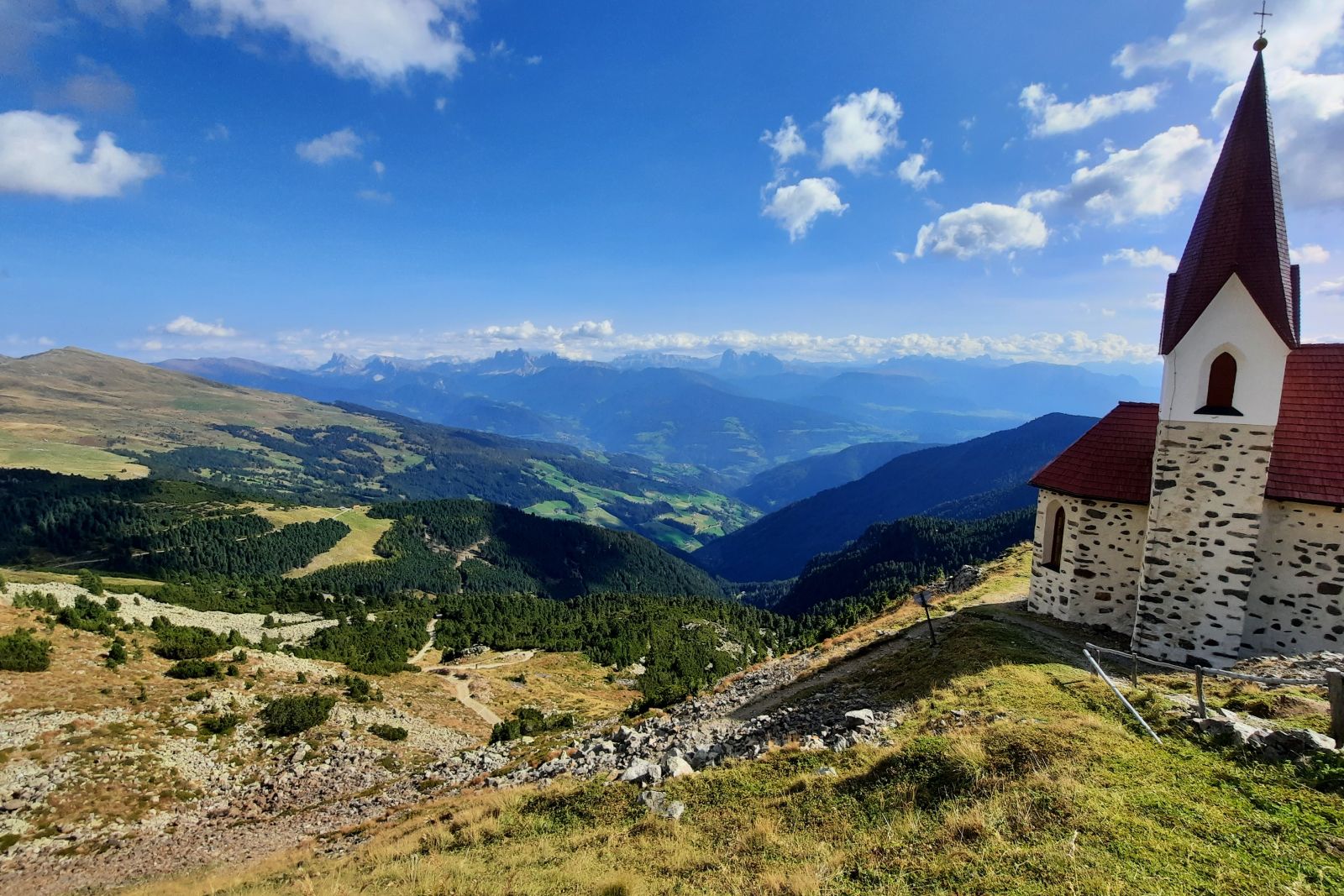
Hufeisentour - "Horseshoe Tour"
Alpine Hiking Trail in the Sarntal Alps — Seven days of nature and adventure
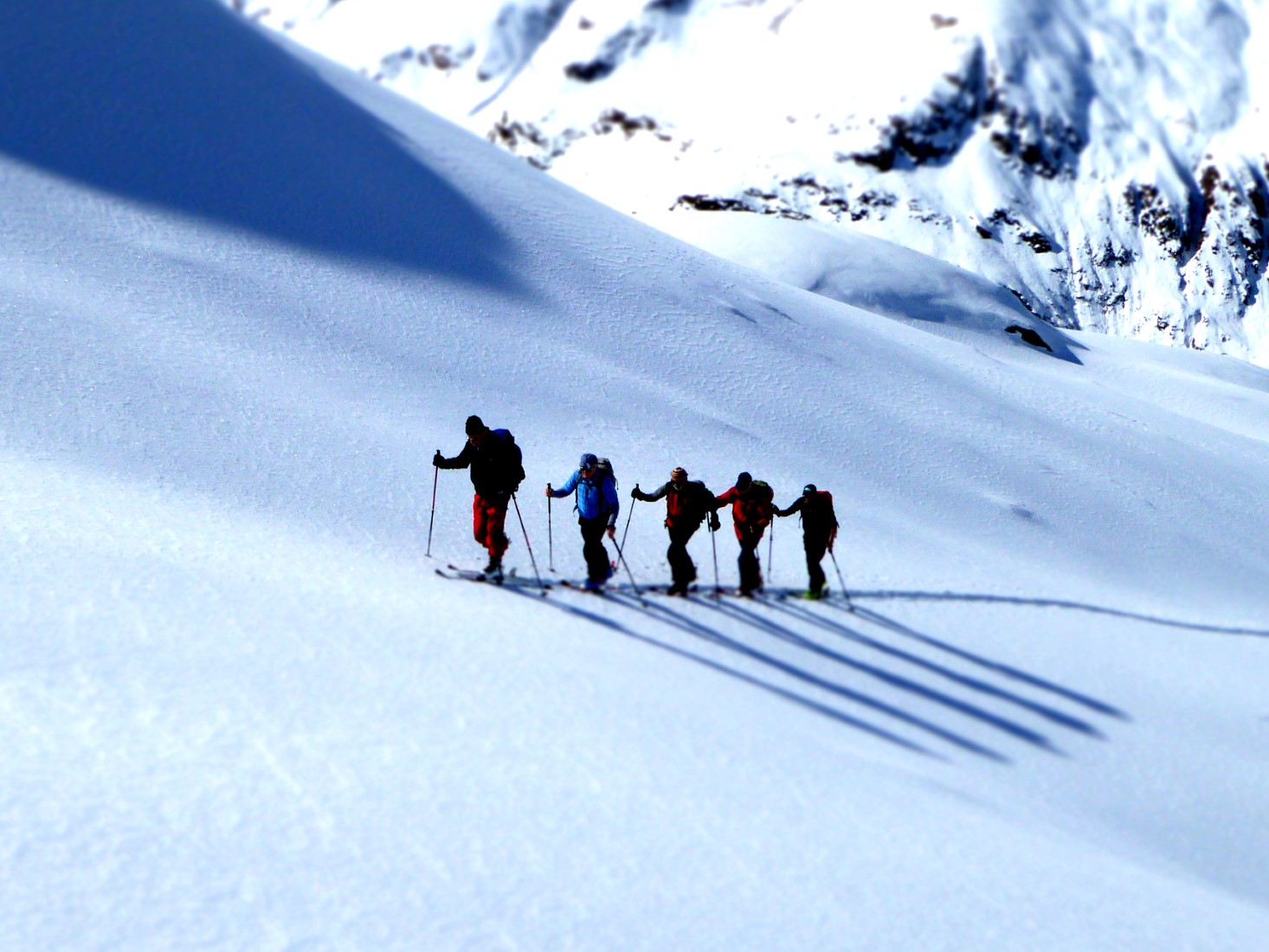
Ski Mountaineering Week in the Sarntal Valley
Limitless Touring Adventures in the Heart of South Tyrol
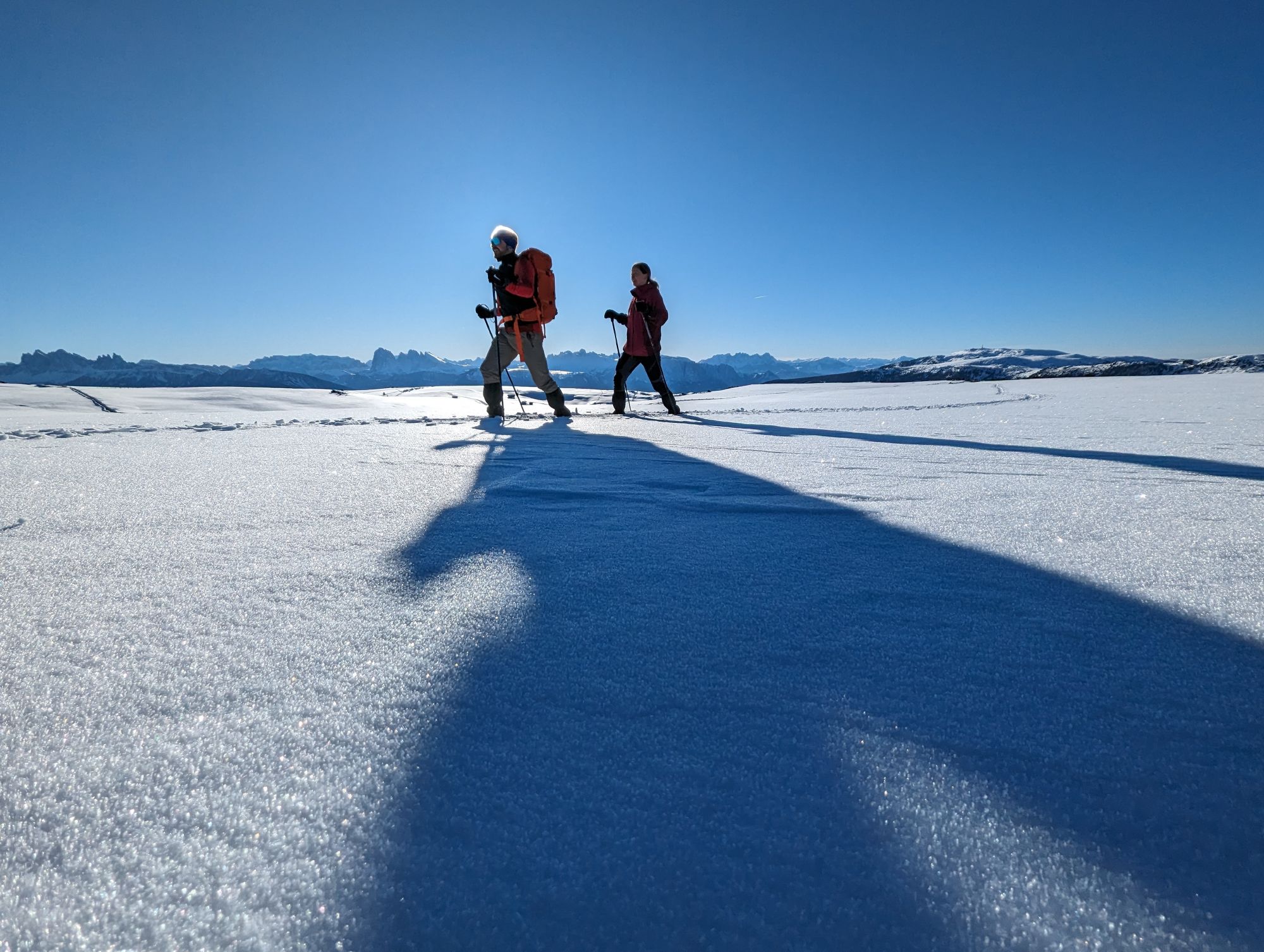
2-Day Snowshoe Hike on the Villanderer Alm
Winter adventure with breathtaking Dolomite views in the heart of South Tyrol
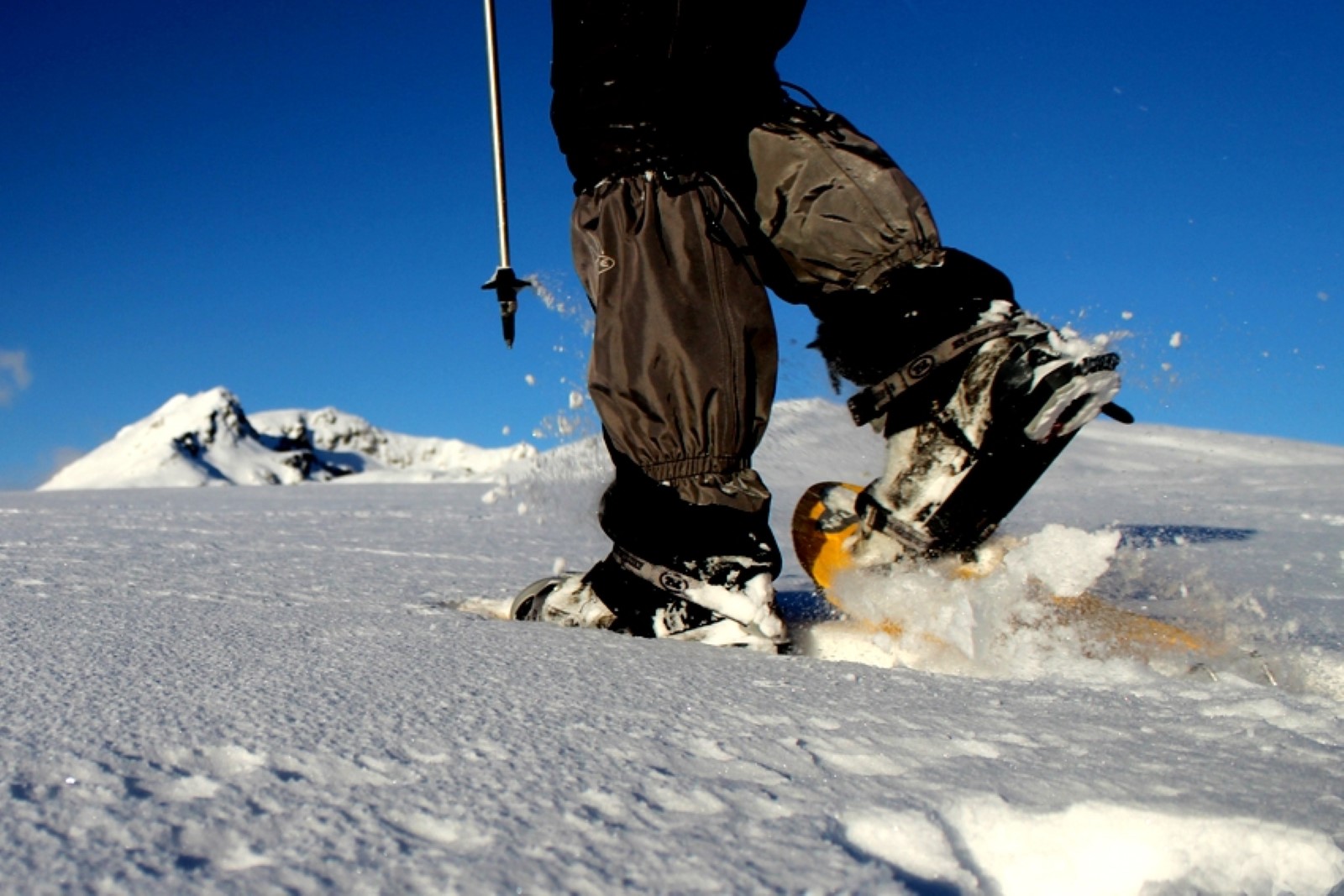
Snowshoe Week in the Passeier Valley
Leisurely Snowshoe Hiking and Relaxation in South Tyrol
Snowshoe Hiking Days in Villnöss
3 Days of Winter Adventure in the Dolomites
3-Day Snowshoe Hike on the Villanderer Alm
Guided Winter Experience in the Sarntal Alps